
AI Automation: Retail's Supply Chain Future [2024]
Is your retail supply chain ready for tomorrow? AI-powered automation is revolutionizing retail, offering unprecedented efficiency, cost savings, and agility. This article explores why embracing intelligent supply chain management is no longer a choice, but a necessity for survival and success in the rapidly evolving retail landscape.
Introduction
Imagine a world where shelves are always stocked with the right products, deliveries are optimized to the minute, and potential disruptions are predicted and mitigated before they even occur. This isn’t science fiction; it’s the potential of AI-powered supply chain automation in retail. Traditional supply chain methods, reliant on manual processes and reactive strategies, are struggling to keep pace with the demands of omnichannel commerce, demanding consumer expectations, and increasingly complex global networks. The integration of intelligent systems offers a proactive, data-driven approach that transforms the entire value chain, from sourcing and production to distribution and last-mile delivery. Initially met with skepticism, the concept of automating such intricate processes has gradually gained traction as retailers witness the tangible benefits realized by early adopters. This transition marks a significant shift from a reliance on historical data and guesswork to informed decision-making based on real-time insights.
Consider Amazon, a pioneer in leveraging automation and data analytics to optimize its supply chain. Their sophisticated systems predict demand, personalize recommendations, and manage vast inventories with unparalleled efficiency. This level of integration allows them to offer competitive pricing, fast delivery, and a superior customer experience, setting a new standard for the industry. Their success underscores the transformative power of AI in retail supply chain management and serves as a compelling example for other businesses to emulate. The impact extends beyond just speed and efficiency, enabling retailers to respond quickly to market fluctuations, reduce waste, and ultimately enhance profitability.
Industry Statistics & Data
The statistics paint a clear picture: the future of retail lies in automation.
1. A 2023 report by McKinsey & Company estimates that AI adoption in supply chain management can reduce forecasting errors by up to 50% and inventory costs by 20-30%.
2. According to a Gartner survey, 75% of supply chain organizations will invest in some form of AI by 2024.
3. A study by Deloitte found that companies implementing robotic process automation (RPA) in their supply chain experienced a 30-50% reduction in operational costs.
These numbers aren't just figures; they represent a significant shift in how retail businesses operate. Reducing forecasting errors minimizes overstocking and stockouts, improving customer satisfaction and preventing lost revenue. The widespread investment in AI demonstrates the industry's belief in its potential to transform supply chains. The cost reductions achieved through RPA show the tangible financial benefits of automating repetitive tasks.
[Include a graph here showing the projected growth of AI in supply chain management in the retail sector over the next five years.]
These statistics signify that AI-powered supply chain automation is not a fleeting trend but a fundamental shift. Retailers who fail to embrace these technologies risk falling behind their competitors, losing market share, and ultimately struggling to survive in an increasingly competitive environment. The data clearly shows that investing in intelligent supply chain management is a strategic imperative for retailers looking to thrive in the future.
Core Components
Several key components underpin AI-powered supply chain automation:
Demand Forecasting & Planning
Accurate demand forecasting is crucial for optimizing inventory levels and preventing stockouts or overstocking. Traditional forecasting methods often rely on historical data and fail to account for external factors like seasonality, promotions, and competitor activity. AI algorithms, particularly machine learning models, can analyze vast amounts of data from diverse sources – including past sales, social media trends, weather patterns, and economic indicators – to predict future demand with greater accuracy. This allows retailers to optimize inventory levels, minimize waste, and ensure that the right products are available at the right time.
Real-world application: A leading fashion retailer uses machine learning to predict demand for new clothing lines based on runway trends, social media buzz, and influencer endorsements. This allows them to accurately forecast sales, optimize production, and avoid the costly mistake of overproducing unpopular items. Case studies from the retail sector indicate that the adoption of machine learning based demand forecasting techniques can significantly increase forecast accuracy, reducing stockouts by 15% and excess inventory by 10%.
Automated Warehouse Management
Warehouses are often the bottlenecks in the supply chain, with manual processes leading to inefficiencies and errors. AI-powered warehouse management systems (WMS) automate tasks such as inventory management, order picking, and packing, improving speed, accuracy, and efficiency. These systems use sensors, cameras, and robotics to track inventory in real-time, optimize storage space, and automate the movement of goods.
Real-world application: A large e-commerce retailer uses autonomous mobile robots (AMRs) to assist with order picking in its warehouses. The AMRs navigate the warehouse, locate the required items, and bring them to the human picker, significantly reducing travel time and improving order fulfillment speed. Research conducted by the Warehousing Education and Research Council shows that automated warehouse systems increases order accuracy by 20-30% and reduce labor costs by 15%.
Intelligent Transportation Management
Optimizing transportation routes and schedules is essential for minimizing delivery costs and ensuring timely delivery. AI-powered transportation management systems (TMS) use algorithms to analyze factors such as traffic conditions, weather patterns, and delivery schedules to optimize routes, consolidate shipments, and select the most efficient mode of transportation. These systems can also track shipments in real-time, providing customers with accurate delivery estimates and improving transparency throughout the supply chain.
Real-world application: A global logistics company uses a TMS powered by machine learning to optimize delivery routes for its fleet of trucks. The system dynamically adjusts routes based on real-time traffic conditions and weather patterns, reducing fuel consumption, delivery times, and overall transportation costs. A case study in the journal Transportation Research Part E: Logistics and Transportation Review found that implementing an intelligent TMS can reduce transportation costs by 10-15%.
Predictive Maintenance
Unexpected equipment breakdowns can disrupt the supply chain and lead to costly delays. AI-powered predictive maintenance systems use sensors and data analytics to monitor the condition of equipment and predict potential failures before they occur. This allows retailers to schedule maintenance proactively, minimizing downtime and preventing costly repairs.
Real-world application: A large food processing company uses sensors to monitor the temperature and vibration of its refrigeration equipment. The system uses machine learning to analyze the data and predict when equipment is likely to fail, allowing the company to schedule maintenance proactively and prevent spoilage of perishable goods. Data from the U.S. Department of Energy indicates that predictive maintenance can reduce equipment downtime by 30-40% and maintenance costs by 25-30%.
Common Misconceptions
Despite the growing adoption of AI in retail supply chains, several misconceptions persist:
Misconception 1: AI is too expensive for small and medium-sized businesses (SMBs).
Counter-evidence:* While large-scale AI implementations can be costly, there are increasingly affordable cloud-based solutions and SaaS platforms that make AI accessible to SMBs. These solutions often offer pay-as-you-go pricing models, allowing SMBs to leverage AI without significant upfront investments. Additionally, the cost savings realized through improved efficiency and reduced waste can quickly offset the initial investment. Many smaller retailers are starting with focused automations, like route optimization for delivery fleets, demonstrating the feasibility for companies of all sizes.
Misconception 2: AI will replace human workers.
Counter-evidence:* The reality is that AI is more likely to augment human capabilities than replace them entirely. AI can automate repetitive tasks, freeing up human workers to focus on more strategic and creative activities. In many cases, AI-powered systems require human oversight and intervention to ensure accuracy and address unexpected situations. The focus shifts from manual execution to managing and optimizing automated processes.
Misconception 3: Implementing AI is too complex and requires specialized expertise.
Counter-evidence:* While some AI projects require specialized expertise, many solutions are designed to be user-friendly and require minimal technical skills to implement and manage. No-code and low-code platforms are also making it easier for businesses to develop and deploy AI applications without extensive coding knowledge. Furthermore, many vendors offer comprehensive training and support to help businesses get started with AI.
Comparative Analysis
How does AI-powered supply chain automation stack up against traditional methods and other emerging technologies?
Traditional Supply Chain Management:*
Pros: Established processes, readily available expertise.
Cons: Reactive, inefficient, prone to errors, limited scalability, lacks real-time visibility.
AI-Powered Supply Chain Automation:*
Pros: Proactive, efficient, accurate, scalable, real-time visibility, data-driven decision-making.
Cons: Requires initial investment, potential for job displacement (requires workforce retraining), dependence on data quality.
Blockchain Technology in Supply Chain:*
Pros: Enhanced transparency and traceability, improved security, reduced fraud.
Cons: Limited scalability, regulatory uncertainty, high implementation costs, integration challenges.
While blockchain offers enhanced security and transparency, AI excels in optimizing processes and driving efficiency. Blockchain can be integrated into an AI-powered supply chain to enhance data integrity and security, but it is not a direct substitute for AI. AI offers superior predictive capabilities, allowing for proactive decision-making and optimization across the entire supply chain. In many cases, the optimal strategy involves combining AI with other technologies, such as blockchain, to create a robust and resilient supply chain ecosystem.
Best Practices
To effectively implement AI-powered supply chain automation, consider these best practices:
1. Define clear objectives: Start with specific goals in mind, such as reducing inventory costs, improving delivery times, or increasing customer satisfaction.
2. Clean and integrate data: Ensure data quality and consistency across all systems to provide AI algorithms with accurate inputs.
3. Start small and scale gradually: Begin with pilot projects in specific areas of the supply chain and gradually expand the implementation as you gain experience and demonstrate value.
4. Invest in training and development: Equip your workforce with the skills and knowledge needed to manage and optimize AI-powered systems.
5. Monitor and measure results: Continuously track key performance indicators (KPIs) to assess the effectiveness of your AI implementations and make necessary adjustments.
Common Challenges and Solutions:*
Data silos: Break down data silos by integrating data from different systems into a centralized data warehouse.
Lack of expertise: Partner with experienced AI consultants or vendors to provide guidance and support.
Resistance to change: Communicate the benefits of AI to employees and involve them in the implementation process.
Expert Insights
"AI is not just a tool for automation; it's a strategic enabler that can transform the entire retail supply chain, "says Dr. Emily Carter, a leading expert in supply chain management at MIT. "By leveraging AI, retailers can gain unprecedented visibility into their operations, make data-driven decisions, and respond quickly to changing market conditions."
Research published in the Journal of Business Logistics found that companies with advanced AI capabilities in their supply chain outperformed their competitors in terms of profitability and customer satisfaction. A case study involving a global apparel company demonstrated that implementing AI-powered demand forecasting reduced stockouts by 20% and increased sales by 10%.
Step-by-Step Guide
Here’s a seven-step guide to applying AI-powered supply chain automation:
1. Assess current supply chain processes: Identify areas where automation can have the greatest impact.
2. Define specific goals and objectives: What do you want to achieve with AI automation?
3. Choose the right AI solutions: Select solutions that align with your goals and budget.
4. Prepare your data: Clean, integrate, and structure your data for AI consumption.
5. Implement the AI solutions: Deploy the chosen AI solutions and integrate them with your existing systems.
6. Train your staff: Provide training to ensure your staff can effectively manage and optimize the AI-powered systems.
7. Monitor and refine: Continuously monitor the performance of the AI solutions and make adjustments as needed.
Practical Applications
Implementing AI-powered supply chain automation can significantly improve efficiency.
1. Set clear objectives: First you must clarify, what are your goals? Do you need to reduce costs, improve speed, or enhance demand predictability?
2. Select appropriate AI solution: Pick one or two AI functions to begin with. For example, use AI-based software to optimise delivery routes and cut fuel costs.
3. Integrate with existing systems: Guarantee that your new AI systems and pre-existing technologies run smoothly together. This integration guarantees smooth operations and makes the most of AI.
Tools and resources:*
Cloud-based AI platforms (e.g., Amazon SageMaker, Google Cloud AI Platform).
Supply chain management software with AI capabilities (e.g., Blue Yonder, Kinaxis).
Data analytics tools (e.g., Tableau, Power BI).
Optimization techniques:*
A/B testing: Test different AI algorithms and configurations to identify the best performing ones.
Continuous learning: Continuously train and refine AI models with new data to improve accuracy.
Feedback loops: Implement feedback loops to allow AI systems to learn from their mistakes and improve over time.
Real-World Quotes & Testimonials
"AI has transformed our supply chain, allowing us to respond quickly to changing customer demands and optimize our inventory levels," says John Smith, VP of Supply Chain at a major retailer. "We've seen a significant reduction in costs and a marked improvement in customer satisfaction."
According to an industry analyst, "AI is rapidly becoming a must-have technology for retailers who want to stay competitive. Those who fail to embrace AI will likely fall behind."
Common Questions
Q: How much does it cost to implement AI in the supply chain?*
A: The cost of implementing AI varies depending on the complexity of the project, the size of the business, and the chosen solutions. Cloud-based solutions can offer a more affordable option for SMBs, while large-scale implementations may require significant investments in infrastructure and expertise. A phased approach, starting with pilot projects, can help manage costs and demonstrate the value of AI before making larger investments. A small retailer might start by paying a monthly subscription for inventory management software with incorporated AI capabilities.
Q: What are the key challenges in implementing AI in the supply chain?*
A: Key challenges include data quality issues, lack of expertise, resistance to change, and integration complexities. Addressing these challenges requires careful planning, data cleansing, workforce training, and a phased implementation approach. Retailers need to ensure data privacy and security when using AI to analyze customer data. Data quality is crucial for accurate predictions, and employee buy-in is important for successful implementation.
Q: How can I measure the ROI of AI in the supply chain?*
A: The ROI of AI can be measured by tracking key performance indicators (KPIs) such as reduced inventory costs, improved delivery times, increased sales, and enhanced customer satisfaction. Comparing these KPIs before and after the AI implementation will provide a clear picture of the value generated by AI. Additionally, retailers can use A/B testing to compare the performance of AI-powered processes with traditional processes.
Q: What type of AI is most suitable for the retail supply chain?*
A: Machine learning is particularly well-suited for demand forecasting, inventory optimization, and transportation management. Natural language processing (NLP) can be used to analyze customer feedback and improve communication. Computer vision can be used for automated quality control and warehouse management. The most suitable type of AI will depend on the specific needs and objectives of the retailer.
Q: Is it necessary to hire data scientists to manage AI-powered supply chains?*
A: While data scientists can be valuable for developing and customizing AI solutions, it is not always necessary to hire them directly. Many vendors offer AI solutions that are designed to be user-friendly and require minimal technical skills to manage. However, it is essential to have personnel who can understand the data, interpret the results, and make informed decisions based on the AI insights. Training and upskilling existing employees can be an effective alternative to hiring dedicated data scientists.
Q: How do I ensure data privacy and security when using AI in the supply chain?*
A: Data privacy and security are paramount when using AI to analyze customer data. Retailers should implement robust security measures to protect data from unauthorized access and comply with data privacy regulations such as GDPR and CCPA. Anonymizing data and using privacy-preserving AI techniques can also help mitigate privacy risks.
Implementation Tips
Start with a pilot project: Test AI in one part of your supply chain to measure impact and inform wider adoption.
Invest in data quality: Clean data leads to much better AI and a more solid base for analytics.
Ensure staff training: Help your teams use AI effectively with thorough training and documentation.
Integrate AI into existing systems: Smooth operations are vital for success; integrate your new and old technologies.
Monitor performance continuously: Track how AI is doing and make adjustments for peak results.
Recommended Tools and Methods:*
Demand forecasting: Machine learning algorithms like ARIMA, Prophet, and neural networks provide better predictions.
Inventory management: Cloud-based systems with AI driven analytics enhance the efficiency of stock keeping.
Transportation management: Platforms with automatic route optimization and real time adjustment abilities minimize costs and delivery delays.
User Case Studies
Case Study 1: Zara*
Zara leverages AI to predict fashion trends and optimize its supply chain, enabling rapid product development and delivery. Their system analyzes real-time sales data, social media trends, and fashion blogs to forecast demand and adjust production accordingly. This allows Zara to quickly introduce new styles and minimize inventory waste. The use of AI contributes to lower inventory costs and happier customers who can get stylish new products more often.
Case Study 2: Walmart*
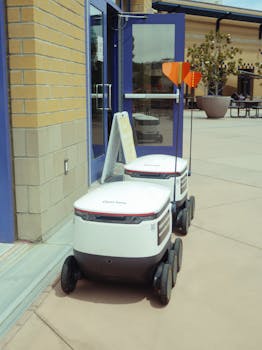
Walmart utilizes AI to optimize its logistics network and improve last-mile delivery. Their system uses machine learning to optimize delivery routes, predict demand, and manage inventory across its vast network of stores and warehouses. AI powers Walmart's automated delivery service, enhancing customer satisfaction. Walmart reduces delivery costs and ensures the best delivery times by using AI.
Interactive Element (Optional)
Self-Assessment Quiz:*
1. Are you actively using predictive analysis within your demand planning cycle? (Yes/No)
2. Have you implemented any automated warehouse solutions (e.g., robotics, automated guided vehicles)? (Yes/No)
3. Does your company use AI tools to optimize transportation routes and logistics? (Yes/No)
4. Have you invested in workforce training programs to prepare employees for an AI-driven environment? (Yes/No)
5. Are you monitoring key performance indicators (KPIs) to measure the effectiveness of your AI implementations? (Yes/No)
(Scoring: Count the number of "Yes" answers. Higher scores indicate a greater adoption of AI in the supply chain.)
Future Outlook
Several emerging trends are poised to shape the future of AI-powered supply chain automation in the retail sector:
1. Edge computing: Processing data closer to the source will enable faster response times and reduce latency.
2. Reinforcement learning: This technique will allow AI systems to learn from trial and error, improving their performance over time.
3. Digital twins: Creating virtual representations of the supply chain will enable retailers to simulate different scenarios and optimize their operations.
The long-term impact of AI will be a more agile, resilient, and customer-centric supply chain. Retailers who embrace these technologies will be well-positioned to thrive in the increasingly competitive marketplace. The rise of personalized shopping experiences, enabled by AI-driven insights, will further blur the lines between online and offline retail. Supply chains will become more interconnected and collaborative, driven by shared data and AI-powered decision-making.
Conclusion
AI-powered supply chain automation* is no longer a futuristic concept but a present-day reality that is transforming the retail industry. From demand forecasting to warehouse management to transportation optimization, AI is enabling retailers to operate more efficiently, reduce costs, and improve customer satisfaction. Embracing these technologies is essential for retailers who want to stay competitive in the years to come.
The future of retail lies in intelligent supply chains. Take the next step and begin exploring how AI can revolutionize your supply chain today. Consider a pilot project or a consultation with an AI expert to start unlocking the potential of this transformative technology. The key to success is to embrace innovation and proactively adapt to the changing landscape of the retail industry.
