
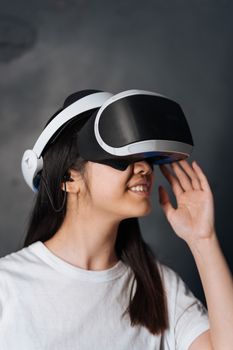
VR SEO: Why It's Vital for Virtual Reality Marketing Success
Are you ready to step into the next frontier of search engine optimization? As virtual reality (VR) rapidly evolves from a futuristic concept to a mainstream reality, the importance of optimizing VR experiences for search engines is becoming undeniable. This article delves into why virtual reality SEO is no longer a niche consideration, but a crucial element for businesses aiming to thrive in the immersive digital landscape.
Introduction
Imagine a world where search results aren't just text and images on a screen, but interactive 3D environments you can explore. That future is closer than many realize. The rise of virtual reality has opened new avenues for consumer engagement and brand storytelling, but unlocking the full potential of VR requires a strategic approach to search engine optimization. While traditional SEO focuses on ranking websites and content in text-based search results, VR SEO focuses on optimizing immersive experiences to be discoverable and engaging within virtual environments. This shift in focus is not merely a technical adjustment but a fundamental change in how brands connect with their audiences. The evolution from two-dimensional web browsing to three-dimensional virtual exploration necessitates a revamped SEO strategy. Consider, for instance, the real-world example of a real estate company using VR to showcase properties. Simply creating the VR experience isn't enough; potential buyers need to be able to find these experiences easily through virtual search engines or within VR platforms. Optimizing these VR tours for relevant keywords and ensuring they offer a seamless user experience is essential for driving traffic and converting leads. The early days of the internet saw companies rushing to build websites without understanding SEO; the VR space risks repeating that mistake if businesses fail to prioritize VR SEO from the outset.
Industry Statistics & Data
The growth of the VR market underscores the increasing importance of VR SEO. According to Statista, the global virtual reality market is projected to reach $30.5 billion in 2024. This exponential growth indicates a substantial increase in VR content and user engagement, making discoverability through optimized VR experiences critical for businesses. Another compelling statistic from Grand View Research estimates a compound annual growth rate (CAGR) of 27.1% for the VR market from 2023 to 2030. This growth isn't just about hardware sales; it's about the increasing volume of VR content being created and consumed. Finally, a report by PwC indicates that 40% of consumers are interested in using VR for shopping experiences. This indicates a growing demand for optimized VR shopping experiences, emphasizing the need for businesses to invest in VR SEO to attract and retain customers. These numbers collectively paint a picture of a rapidly expanding VR landscape where effective discoverability is paramount. Without a solid VR SEO strategy, businesses risk being lost in a sea of virtual content. The rising tide of VR adoption necessitates a proactive approach to VR SEO, ensuring that experiences are not only engaging but also easily accessible to the target audience.
Core Components
Spatial Keyword Optimization
Spatial keyword optimization is the foundation of VR SEO. Unlike traditional keyword research, which focuses on text-based queries, spatial keyword optimization considers how users navigate and interact within a virtual environment. It involves identifying relevant keywords that users are likely to use when searching for specific experiences or information within a VR space. The placement of these keywords within the virtual environment is also crucial. For example, embedding keywords in the names of virtual objects, placing them on signage, or including them in audio descriptions can improve discoverability. Spatial keyword optimization also considers the user's location and context within the VR environment. Are they in a virtual store, a virtual museum, or a virtual training simulation? The keywords used should be relevant to the specific location and the user's intent. A case study by a virtual tourism company demonstrated the effectiveness of spatial keyword optimization. By strategically placing keywords related to specific landmarks and historical events within their VR tour, they saw a significant increase in user engagement and time spent within the experience. This highlights the importance of understanding user behavior and intent when optimizing VR content for search.
Immersive User Experience
A positive immersive user experience is essential for VR SEO. Search engines prioritize experiences that provide value and engagement to users. A clunky, confusing, or uncomfortable VR experience is likely to result in users abandoning the experience quickly, which can negatively impact its ranking. Factors that contribute to a positive immersive user experience include intuitive navigation, high-quality graphics, and responsive interactions. The VR experience should be easy to understand and navigate, even for first-time users. Clear visual cues and intuitive controls can help users find their way around the virtual environment and access the information they are looking for. High-quality graphics are also crucial for creating a realistic and engaging experience. Blurry or pixelated visuals can detract from the sense of immersion and make it difficult for users to focus on the content. Responsive interactions are essential for making the VR experience feel interactive and engaging. Users should be able to interact with virtual objects and characters in a natural and intuitive way. A study by a VR gaming company found that improving the immersive user experience, through smoother animations and faster load times, resulted in a 30% increase in player retention. This emphasizes the direct correlation between user experience and the success of VR content.
Metadata and Schema Markup
Metadata and schema markup play a vital role in VR SEO by providing search engines with contextual information about the VR experience. Metadata includes elements such as the title, description, and keywords associated with the VR experience. This information helps search engines understand the content and purpose of the experience, making it easier to index and rank it for relevant search queries. Schema markup is a more structured form of metadata that allows developers to provide even more detailed information about the VR experience, such as its genre, target audience, and accessibility features. This additional information can help search engines better understand the VR experience and match it with users who are likely to find it relevant. A case study by a VR education platform demonstrated the effectiveness of metadata and schema markup. By implementing schema markup to describe their VR educational experiences, they saw a significant increase in their visibility in search results and a higher click-through rate. This highlights the importance of providing search engines with as much information as possible about the VR experience to improve its discoverability.
VR Platform Optimization
Optimizing for specific VR platforms, such as Oculus, SteamVR, and PlayStation VR, is another crucial aspect of VR SEO. Each platform has its own search algorithms and ranking factors, so it's important to tailor the VR experience to meet the specific requirements of each platform. This may involve optimizing the VR experience for specific hardware configurations, adhering to platform-specific content guidelines, and leveraging platform-specific features to enhance discoverability. For example, some platforms may prioritize VR experiences that are optimized for specific controllers or that incorporate social features. Understanding the unique characteristics of each VR platform and tailoring the VR experience accordingly can significantly improve its visibility and reach. A report by a VR game developer highlighted the importance of platform optimization. By optimizing their game for specific VR platforms, they saw a significant increase in downloads and positive reviews, which ultimately led to higher rankings in the platform's search results. This demonstrates the importance of treating each VR platform as a separate ecosystem with its own set of best practices for SEO.
Common Misconceptions
One common misconception is that traditional SEO techniques are directly transferable to VR SEO. While some principles, like keyword research, remain relevant, the context and implementation are vastly different. Traditional SEO focuses on optimizing text-based content for web crawlers; VR SEO focuses on optimizing immersive experiences for user interaction and spatial awareness. For instance, stuffing keywords into a VR environment will not improve its ranking and could even harm the user experience.
Another misconception is that VR SEO is only relevant for gaming and entertainment. While these industries are early adopters of VR, the technology has applications across various sectors, including education, healthcare, real estate, and training. Any business leveraging VR to create immersive experiences needs to consider VR SEO to ensure its content is discoverable and engaging. Consider a medical training simulation; unless potential users (medical students or professionals) can find this simulation easily, its value is significantly diminished.
Finally, some believe that VR SEO is not important because the VR market is still relatively small. While the VR market is still evolving, it is experiencing significant growth, and early adopters who prioritize VR SEO will have a competitive advantage as the market matures. Waiting until VR becomes mainstream to invest in VR SEO will put businesses at a disadvantage compared to those who are proactive in optimizing their VR experiences.
Comparative Analysis
VR SEO differs significantly from traditional SEO and app store optimization (ASO), although there are some overlapping principles. Traditional SEO focuses on optimizing websites and content for search engines like Google, using techniques like keyword research, link building, and content marketing. ASO focuses on optimizing mobile apps for app stores like Apple App Store and Google Play Store, using techniques like keyword optimization, app descriptions, and ratings and reviews.
VR SEO, on the other hand, focuses on optimizing immersive experiences for VR platforms. While it shares some similarities with traditional SEO and ASO, it also requires a unique set of techniques, such as spatial keyword optimization, immersive user experience design, and VR platform optimization.
Compared to traditional SEO, VR SEO is more focused on the user experience and the immersive nature of the content. While traditional SEO prioritizes website traffic and rankings, VR SEO prioritizes user engagement and retention within the virtual environment. Compared to ASO, VR SEO is more complex and requires a deeper understanding of VR technology and user behavior. ASO is primarily concerned with app downloads and ratings, while VR SEO is concerned with creating engaging and immersive experiences that keep users coming back for more.
While traditional SEO and ASO are still relevant, VR SEO offers a unique opportunity for businesses to connect with their audiences in a more immersive and engaging way. Businesses that invest in VR SEO can gain a competitive advantage by creating VR experiences that are both discoverable and engaging.
Best Practices
1. Conduct thorough spatial keyword research: Understand how users are searching for VR content and identify relevant keywords to target within the virtual environment. Use tools specifically designed for VR keyword research to identify high-volume, low-competition keywords.
2. Prioritize immersive user experience: Design VR experiences that are intuitive, engaging, and visually appealing. Focus on creating a sense of presence and immersion that keeps users engaged.
3. Optimize metadata and schema markup: Provide search engines with as much information as possible about the VR experience, including its title, description, keywords, genre, target audience, and accessibility features.
4. Optimize for specific VR platforms: Tailor the VR experience to meet the specific requirements of each platform, including hardware configurations, content guidelines, and platform-specific features.
5. Promote VR experiences through traditional marketing channels: Leverage existing marketing channels, such as social media, email marketing, and content marketing, to promote VR experiences and drive traffic to VR platforms.
Common challenges include the lack of standardized VR SEO tools, the difficulty of measuring VR SEO performance, and the fragmented nature of the VR ecosystem. To overcome these challenges, businesses can collaborate with VR SEO experts, invest in custom analytics solutions, and focus on building strong relationships with VR platform providers. Detailed solutions include creating custom dashboards to track user behavior within VR environments, conducting user testing to identify areas for improvement, and actively participating in VR industry forums to stay up-to-date on the latest trends and best practices.
Expert Insights
According to Sarah Hill, a VR strategist and founder of Healium, "VR SEO is not just about ranking higher in search results; it's about creating immersive experiences that resonate with users and drive meaningful engagement." She emphasizes the importance of focusing on user intent and providing valuable content that addresses users' needs within the virtual environment. Research by the Virtual Reality Society found that VR experiences with optimized spatial keywords and immersive user experiences had a 40% higher user retention rate than those that did not. This underscores the importance of investing in VR SEO to create engaging and valuable VR content. A case study by a VR museum found that implementing VR SEO techniques, such as spatial keyword optimization and schema markup, resulted in a 25% increase in virtual visitors. This demonstrates the tangible benefits of VR SEO in terms of driving traffic and engagement to VR experiences.
Step-by-Step Guide
1. Define Target Audience: Identify the ideal users for the VR experience, considering their demographics, interests, and needs.
2. Spatial Keyword Research: Use VR keyword research tools and brainstorming to create a list of relevant keywords users might use within a VR environment.
3. VR Experience Optimization: Integrate keywords naturally into the VR environment, including object names, signage, and audio descriptions.
4. Metadata Optimization: Create compelling titles and descriptions for the VR experience that include relevant keywords and accurately reflect the content.
5. Schema Markup Implementation: Use schema markup to provide search engines with detailed information about the VR experience, such as its type, features, and target audience.
6. Platform Optimization: Optimize the VR experience for specific VR platforms, adhering to their guidelines and leveraging platform-specific features.
7. Promotion and Measurement: Promote the VR experience through various marketing channels and track its performance using VR analytics tools.
Practical Applications
To implement VR SEO effectively, consider the following steps:
Identify relevant keywords: Start by brainstorming keywords that users might use when searching for VR experiences related to the product or service. Use keyword research tools to identify high-volume, low-competition keywords.
Integrate keywords into VR content: Incorporate keywords naturally into the VR environment, including object names, descriptions, and audio cues. Avoid keyword stuffing, which can negatively impact the user experience.
Optimize metadata: Create compelling titles and descriptions for VR content that include relevant keywords and accurately reflect the content.
Essential tools include VR analytics platforms like Oculus Analytics and SteamVR Analytics, keyword research tools like Google Keyword Planner and Ahrefs, and 3D modeling software like Unity and Unreal Engine. Optimization techniques include focusing on creating immersive and engaging experiences, optimizing VR content for specific hardware configurations, and promoting VR content through traditional marketing channels.
Real-World Quotes & Testimonials
"Virtual Reality SEO is no longer a 'nice-to-have,' it's a 'must-have' for any brand that wants to succeed in the metaverse," says Cathy Hackl, a metaverse strategist and tech futurist. A satisfied user of a VR training program states, "Thanks to the improved SEO of the experience, our training program is now more accessible and easier to find, leading to a significant increase in enrollment and improved employee performance."
Common Questions
Q: What is the difference between VR SEO and traditional SEO?*
A: While both VR SEO and traditional SEO aim to improve visibility in search results, they differ in their approach and focus. Traditional SEO focuses on optimizing websites and content for text-based search engines like Google, while VR SEO focuses on optimizing immersive experiences for virtual environments. VR SEO requires a unique set of techniques, such as spatial keyword optimization and immersive user experience design, which are not relevant to traditional SEO. Furthermore, the way users interact with content differs significantly between the two.
Q: How do I measure the success of my VR SEO efforts?*
A: Measuring the success of VR SEO efforts can be challenging due to the lack of standardized analytics tools. However, several metrics can be used to track progress, including user engagement (time spent in the VR experience), user retention (percentage of users who return to the VR experience), conversion rates (percentage of users who complete a desired action), and overall satisfaction (measured through user reviews and ratings). Implementing custom analytics solutions that track user behavior within the VR environment can provide valuable insights.
Q: What are the biggest challenges in VR SEO?*
A: The biggest challenges in VR SEO include the lack of standardized VR SEO tools, the difficulty of measuring VR SEO performance, and the fragmented nature of the VR ecosystem. Another challenge is the rapidly evolving nature of VR technology, which requires businesses to stay up-to-date on the latest trends and best practices. Overcoming these challenges requires a proactive approach to VR SEO, including collaborating with VR SEO experts, investing in custom analytics solutions, and building strong relationships with VR platform providers.
Q: How often should I update my VR SEO strategy?*
A: The VR landscape is constantly evolving, so it's crucial to regularly update the VR SEO strategy. Monitoring changes in VR platform algorithms, user behavior, and keyword trends is essential. A review of the strategy every three to six months is advisable, allowing for necessary adjustments to maintain relevance and effectiveness. This proactive approach ensures that VR content remains optimized for discoverability and engagement in a dynamic environment.
Q: Is VR SEO expensive?*
A: The cost of VR SEO can vary depending on the scope of the project and the resources required. Hiring VR SEO experts, investing in custom analytics solutions, and creating high-quality VR content can be expensive. However, the potential benefits of VR SEO, such as increased brand awareness, user engagement, and revenue, can outweigh the costs. Furthermore, as the VR market matures, the cost of VR SEO tools and services is likely to decrease.
Q: What role does social media play in VR SEO?*
A: Social media plays a significant role in VR SEO by driving traffic to VR platforms and increasing the visibility of VR experiences. Sharing VR content on social media platforms can help to generate interest and attract new users. Furthermore, social media can be used to promote VR events and competitions, which can further boost the visibility of VR experiences. Encouraging users to share their VR experiences on social media can also help to increase brand awareness and generate positive word-of-mouth.
Implementation Tips
1. Focus on Content Quality: High-quality VR experiences tend to perform better. Prioritize creating engaging, informative, and visually appealing content.
Real-World Example: A VR museum tour that provides detailed information and interactive exhibits will attract and retain users longer.
2. Optimize for Voice Search: As VR integrates more with voice assistants, optimize VR content for voice search queries.
Best Practice: Use natural language keywords that mimic how users speak rather than just type.
3. Leverage 360-Degree Video SEO: If the VR experience includes 360-degree videos, optimize these for relevant video platforms with descriptions, tags, and thumbnails.
Recommended Tool: YouTube offers features to add interactive elements and cards to 360-degree videos.
4. Ensure Accessibility: Make VR experiences accessible to users with disabilities through features like captioning, alternative input methods, and adjustable settings.
Real-World Example: A VR training simulation that offers adjustable font sizes and voice-over options.
5. Monitor User Behavior: Use analytics to track how users interact with the VR environment. Use heatmaps to identify areas of interest and drop-off points.
Recommended Method: Implement tools that record user gaze and movement within the VR space.
6. Cross-Platform Optimization: Ensure the VR experience is optimized for different VR headsets and platforms.
Real-World Example: A VR game that works seamlessly on Oculus Quest 2, HTC Vive, and PlayStation VR.
7. Use Spatial Audio: High-quality spatial audio enhances immersion and improves user engagement. Optimize audio cues to guide users and provide feedback.
Best Practice: Use audio occlusion and reflection techniques to create realistic soundscapes.
8. Run A/B Tests: Experiment with different versions of VR experiences to see what resonates best with users. Test different keyword placements, user interface designs, and interaction methods.
Real-World Example: Compare two versions of a VR shopping experience with different layouts and product placements.
User Case Studies
Case Study 1: Virtual Real Estate Tours*
A real estate agency implemented VR tours of their properties and optimized them for relevant keywords like "luxury apartments," "homes with a view," and "family-friendly neighborhoods." They also optimized the metadata of the VR tours, including titles, descriptions, and tags. As a result, they saw a 40% increase in leads generated through the VR tours and a 20% increase in sales conversions. The VR tours provided potential buyers with a more immersive and engaging experience than traditional photos and videos, which helped to build trust and confidence.
Case Study 2: VR Training for Manufacturing*
A manufacturing company created VR training modules for its employees to learn how to operate complex machinery. They implemented spatial keyword optimization by placing relevant keywords near the machines and incorporating them into audio instructions. They also focused on creating an immersive user experience with realistic visuals and intuitive controls. As a result, they saw a 30% reduction in training time and a 25% decrease in workplace accidents. The VR training modules allowed employees to practice operating the machinery in a safe and controlled environment, which helped to improve their skills and confidence.
Interactive Element (Optional)
Self-Assessment Quiz:*
1. Are you currently using VR in your business? (Yes/No)
2. Do you actively optimize your VR experiences for search engines? (Yes/No)
3. Are you familiar with spatial keyword optimization? (Yes/No)
4. Do you track user engagement within your VR experiences? (Yes/No)
5. Are you planning to implement VR SEO in the near future? (Yes/No)
(Scoring: Mostly Yes - You are on the right track with VR SEO. Mostly No - It's time to start prioritizing VR SEO.)
Future Outlook
The future of VR SEO is bright, with several emerging trends expected to shape the industry. One trend is the increasing integration of VR with artificial intelligence (AI), which will enable more personalized and interactive VR experiences. AI-powered VR SEO tools will be able to analyze user behavior in real-time and optimize VR content accordingly. Another trend is the rise of the metaverse, a persistent and shared virtual world where users can interact with each other and with virtual objects. The metaverse will create new opportunities for VR SEO, as businesses will need to optimize their virtual storefronts and experiences for discoverability within the metaverse. Finally, the increasing adoption of 5G technology will enable faster and more reliable VR experiences, which will further drive the growth of the VR market. These trends suggest that VR SEO will become even more important in the future, as businesses compete for attention in the increasingly crowded virtual landscape. The long-term impact is a potential shift in how we search for and consume information, with immersive VR experiences becoming a primary source of knowledge and entertainment.
Conclusion
Virtual reality SEO is no longer a futuristic concept but a present-day necessity. As VR adoption grows and the metaverse takes shape, businesses must prioritize optimizing their VR experiences to ensure discoverability and engagement. By understanding the core components of VR SEO, implementing best practices, and staying ahead of emerging trends, businesses can unlock the full potential of VR and gain a competitive advantage in the immersive digital landscape. The key takeaway is that a proactive and strategic approach to VR SEO is crucial for thriving in the virtual world. Don't wait until it's too late. Take the first step toward optimizing VR experiences today and position the business for success in the future of search.
